

I remember the first time I was faced with the decision of leasing vs. financing a car. At the time, I had no idea which route to take—both options seemed appealing, but they also came with their own sets of questions and concerns. After weeks of research and deliberation, I figured it out—and honestly, it was a game-changer.
Understanding the difference between leasing and financing can make a huge difference in your financial decisions, and trust me, once you understand it, you’ll feel way more confident about your choices. Whether you’re looking to lease a car, finance a home, or even secure a piece of equipment for your business, knowing the ins and outs of these two options is essential.
Both give you access to assets, but the way you pay for them, the level of control you have, and your long-term commitments are very different.
What is the Difference Between Lease and Finance?
Let’s start with the basics.
Lease

When you lease an asset, like a car or equipment, you’re essentially renting it for a fixed period. You make regular payments to use it, but at the end of the lease, you return it, unless you choose to buy it. Leasing is all about short-term use with lower upfront costs and the ability to switch things up more frequently.
Finance

On the other hand, financing means you’re taking out a loan to purchase the asset. You make regular payments (principal plus interest), and once the loan is paid off, the asset is all yours.
With financing, you’re investing in ownership, which means more responsibility, higher initial costs, but also the potential for long-term value.
Both options come with their pros and cons, and the best choice depends on your situation, your goals, and your finances. So, how do you decide which one is right for you?
Leasing: The Flexible Option with Lower Costs

Leasing can be a great option if you’re someone who likes flexibility, lower monthly payments, and the ability to easily upgrade to a new asset. Here’s why:
Ownership? Not for You
When you lease, you don’t own the asset. It’s like renting a home—you get to use it, but it’s not yours to keep. At the end of the lease term, you simply return it, and you may have the option to start a new lease or buy the asset at its residual value.
Lower Upfront Costs
Leasing typically comes with much lower upfront costs compared to financing. You might pay a security deposit or a small down payment, but overall, you won’t need to come up with as much money initially. This can make it a more accessible option, especially for big-ticket items like cars or expensive equipment.
Maintenance & Repairs
In many lease agreements, the lessor (the owner) is responsible for maintenance and repairs. This can save you money and hassle, as you’re not on the hook for unexpected repairs once the manufacturer’s warranty expires.
Restrictions to Keep in Mind
Leasing often comes with a few restrictions—such as mileage limits (in car leases) or restrictions on how you can modify the asset. These rules can make it feel like you’re constantly walking a fine line between enjoying the asset and worrying about possible fees. In short, leasing is best for those who want to avoid ownership, prefer lower payments, and enjoy the ability to upgrade often. It works well if you’re someone who likes flexibility but doesn’t want the long-term commitment of ownership.
Financing: Building Equity Over Time
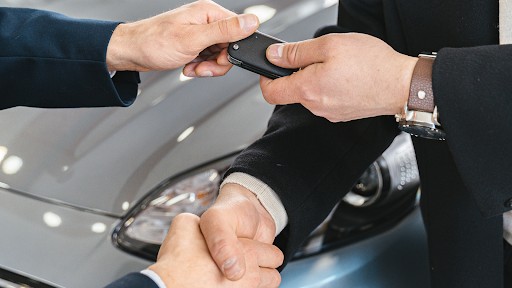
Financing, on the other hand, is all about ownership. You take out a loan to buy the asset, and after a certain period of time (usually several years), you own it outright.
Here’s why this might be the right option for you:
Ownership? It’s All Yours
Unlike leasing, financing gives you full ownership of the asset once the loan is paid off. This means that once you’ve completed your payments, you get to keep it.
Whether it’s a car, a house, or equipment, the asset is yours to sell, trade, or keep indefinitely.
Higher Initial Costs, But Long-Term Benefits
Financing usually requires a larger upfront investment, often involving a down payment and closing costs. Additionally, your monthly payments will likely be higher since you’re paying off the full price of the asset, plus interest. However, if you plan to hold onto the asset for many years, financing can end up being more cost-effective in the long run.
Full Control, No Restrictions
When you own the asset, you have full control over how it’s used. There are no mileage limits, and you can make modifications or customizations as you see fit. This level of freedom is a major draw for many people, especially those who plan to keep the asset long-term.
Maintenance & Repairs
With financing, you’re responsible for all maintenance and repair costs once any warranty expires. While this can be a disadvantage in terms of unexpected expenses, you also have the option to fix or upgrade things as you wish.
How to Decide Between Leasing and Financing?

Now that you have the basics, how do you choose which is the best option for you? It depends on a few key factors:
- Length of Use: If you’re planning to use the asset for just a few years, leasing may be more appealing due to the flexibility and lower payments. However, if you plan to use it for many years, financing could be the better option since you’ll eventually own the asset and your payments will end.
- Budget: Leasing tends to have lower monthly payments, making it a great choice for those on a tighter budget or those who prefer paying less each month. Financing requires higher payments but gives you full ownership, which may be more appealing if you can afford the upfront costs.
- Control vs. Convenience: If you want total control over the asset—being able to modify it, customize it, and keep it as long as you wish—financing is the way to go. But if you’re okay with limited modifications and like the idea of switching things up frequently, leasing provides the convenience of easier upgrades.
- Tax Considerations: Depending on the type of asset, lease payments can often be tax-deductible for businesses. Financing may offer tax benefits, such as interest deductions on loans, but this varies depending on the asset and your situation.
FAQ: Leasing vs. Financing
Q1: Can I buy the asset at the end of my lease?
A: Yes, many lease agreements offer an option to purchase the asset at the end of the term for its residual value. This gives you the flexibility to return the asset or keep it if you like it enough to own it.
Q2: What happens if I exceed my mileage limit on a car lease?
A: Most car leases have mileage limits. If you exceed the limit, you’ll typically be charged extra fees based on the number of miles over. Be sure to read your lease agreement carefully to understand these fees.
Q3: What are the advantages of financing a car over leasing?
A: Financing a car means you’ll own it outright once the loan is paid off. There are no mileage limits or restrictions on how you use the car, and you can keep it as long as you want. While payments are higher, you won’t have to worry about returning the car at the end of the term.
Q4: Is financing better than leasing for a long-term investment?
A: Yes, financing is typically better for long-term use. Once you’ve paid off the loan, you own the asset, and your payments stop. With leasing, you’re always paying for use and never gain ownership, so financing is often a better option if you want long-term value.
Leasing vs. Financing: Which Is the Real Winner?
At the end of the day, whether leasing or financing is the right choice really depends on your unique situation. Both options offer their own perks, so it’s all about aligning your financial goals, lifestyle, and long-term plans.
Whether you love the idea of switching things up every few years or prefer the stability and ownership that comes with financing, the best option is the one that makes sense for you.
Tip: Remember, leasing works well for short-term needs and flexibility, but financing is the way to go if you’re looking to make a long-term investment. Whatever you choose, just make sure it fits into your budget and lifestyle. So, what will it be: the freedom of ownership or the convenience of upgrading? It’s up to you!


